
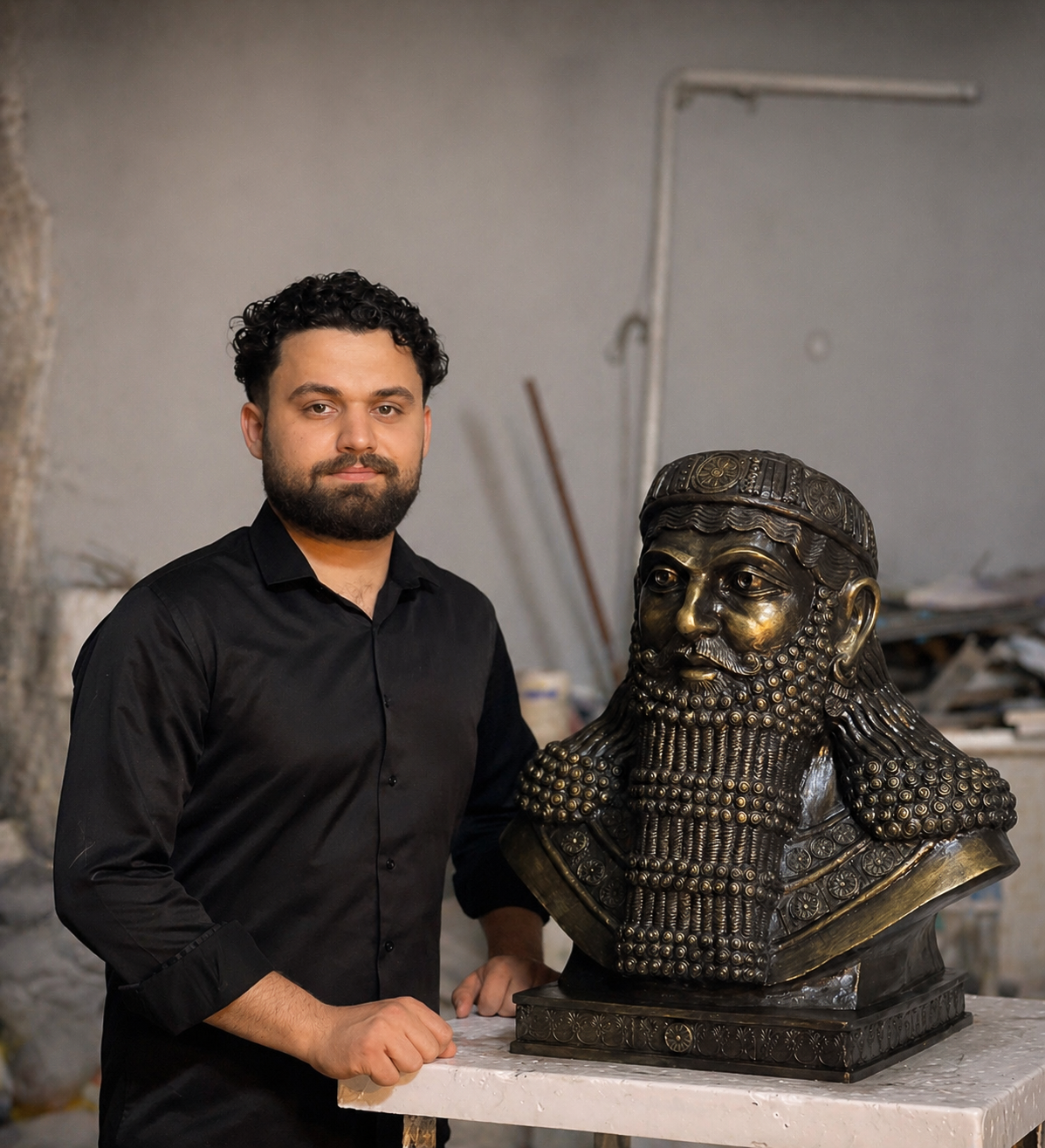
Image supplied: Nenous Thabet stands beside a sculpture bust of King Ashurbanipal, one of several works reflecting his commitment to preserving and celebrating Assyria's rich artistic and cultural heritage.
For centuries, the Monastery of St Behnam and St Sarah has stood as one of the most important Christian sites in the Nineveh Plains.
Located near the ancient city of Nimrud in northern Iraq, the monastery has long served as a place of pilgrimage, prayer, and cultural significance for the region's Assyrian community.
According to Syriac Christian tradition, St Behnam and St Sarah were descendants of local nobility who embraced Christianity during the early centuries of the faith, becoming enduring symbols of devotion, sacrifice, and spiritual conviction.
In March 2015, however, this sacred site was targeted by militants affiliated with the Islamic State of Iraq and Syria (ISIS).
Sandwiched between the destruction of the Mosul Museum and the widely publicised demolition of Nimrud, the devastation inflicted upon the Monastery of St Behnam and St Sarah received comparatively little international attention.
Yet the story of this ancient monastery did not end with its destruction.
Following the liberation of Mosul and the surrounding region, a new generation of young Assyrians emerged to help write the next chapter in the history of the Nineveh Plains.
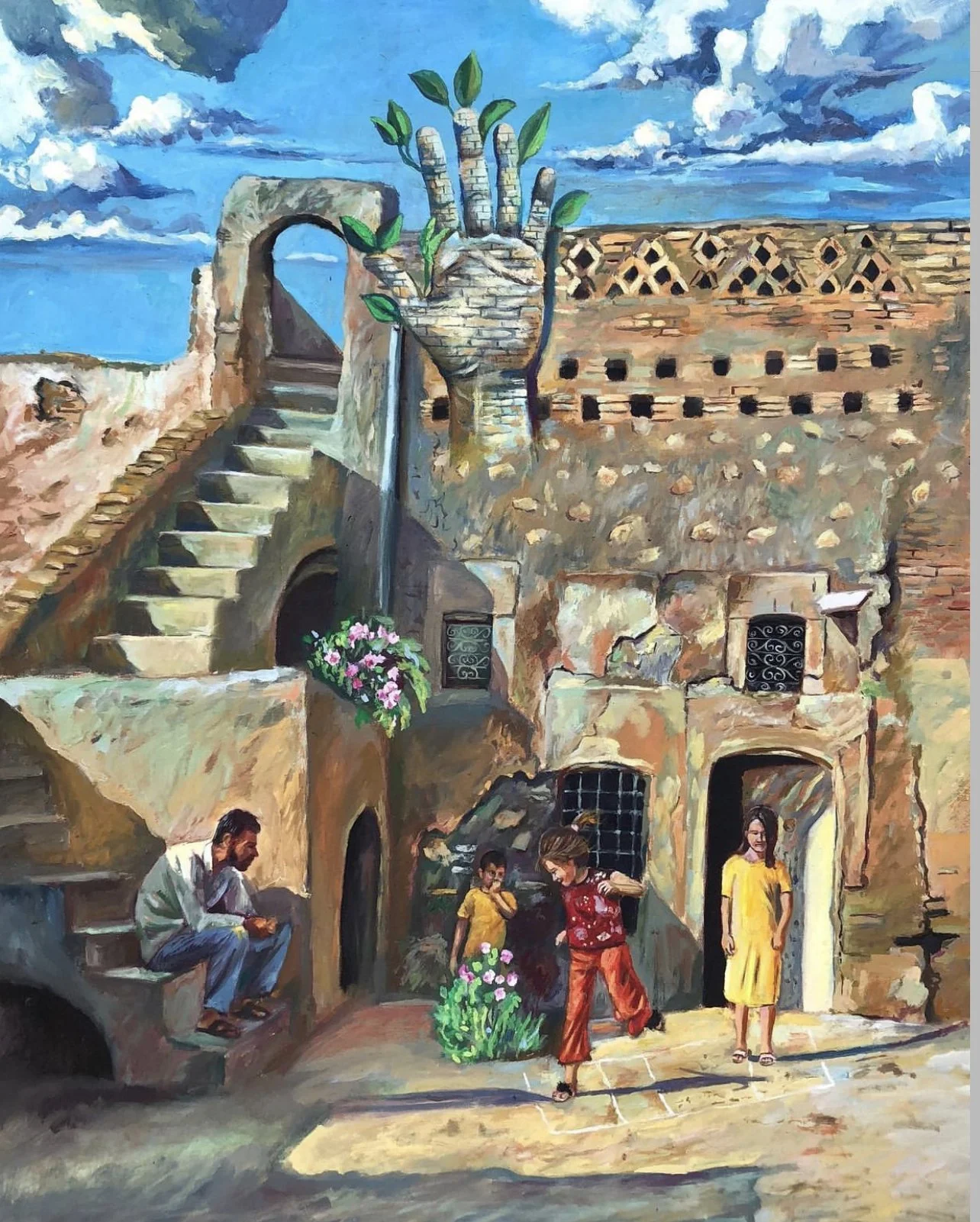
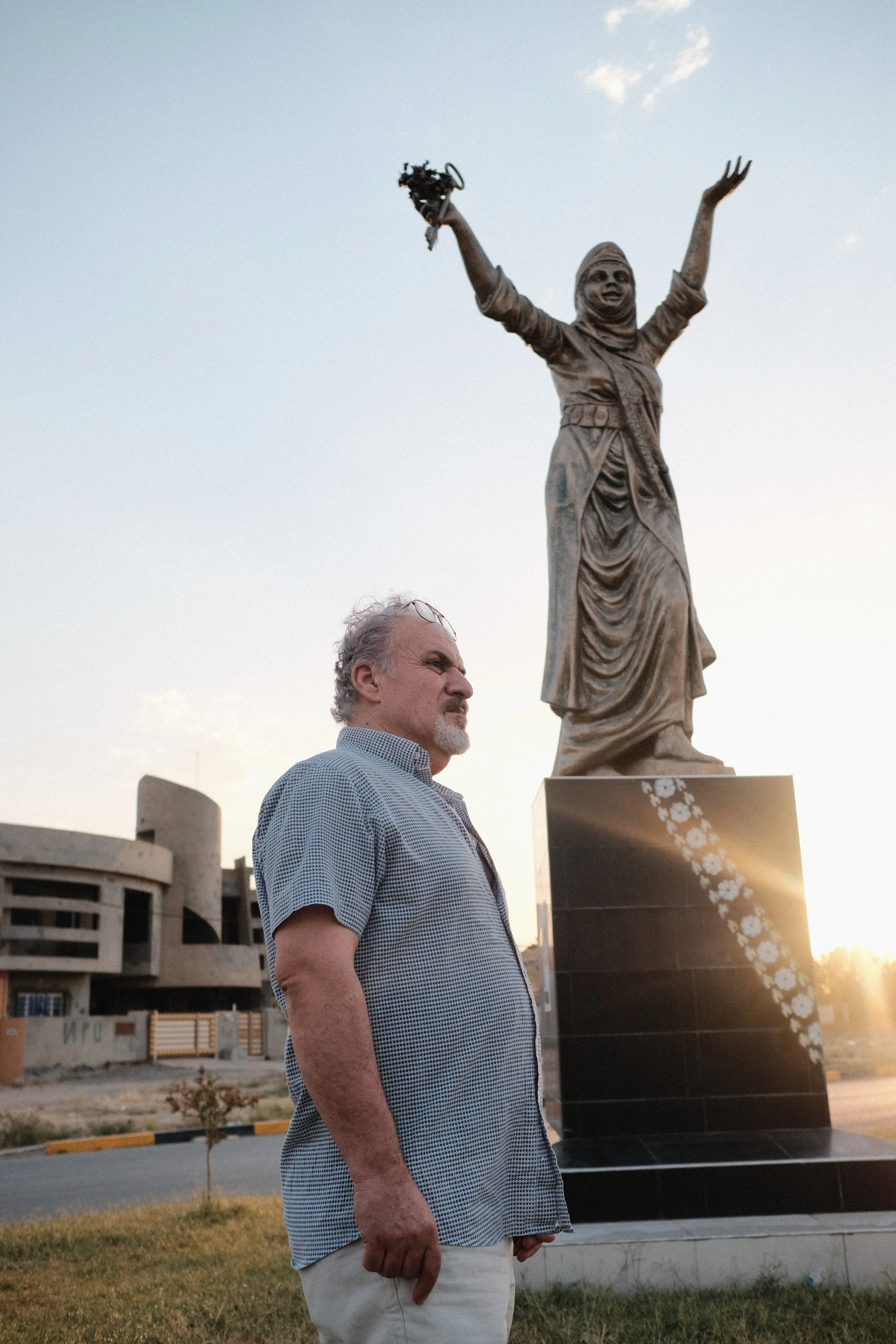
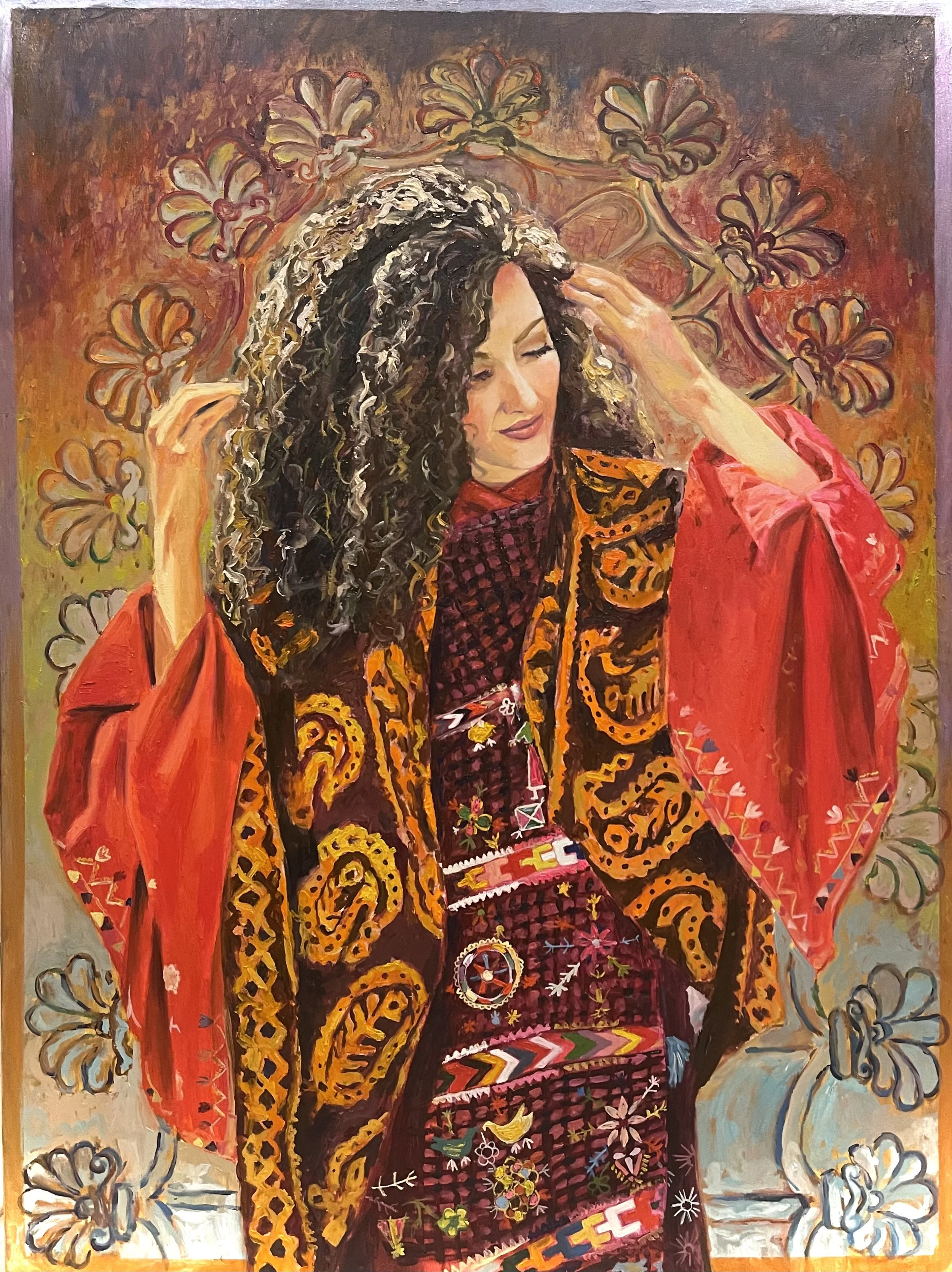
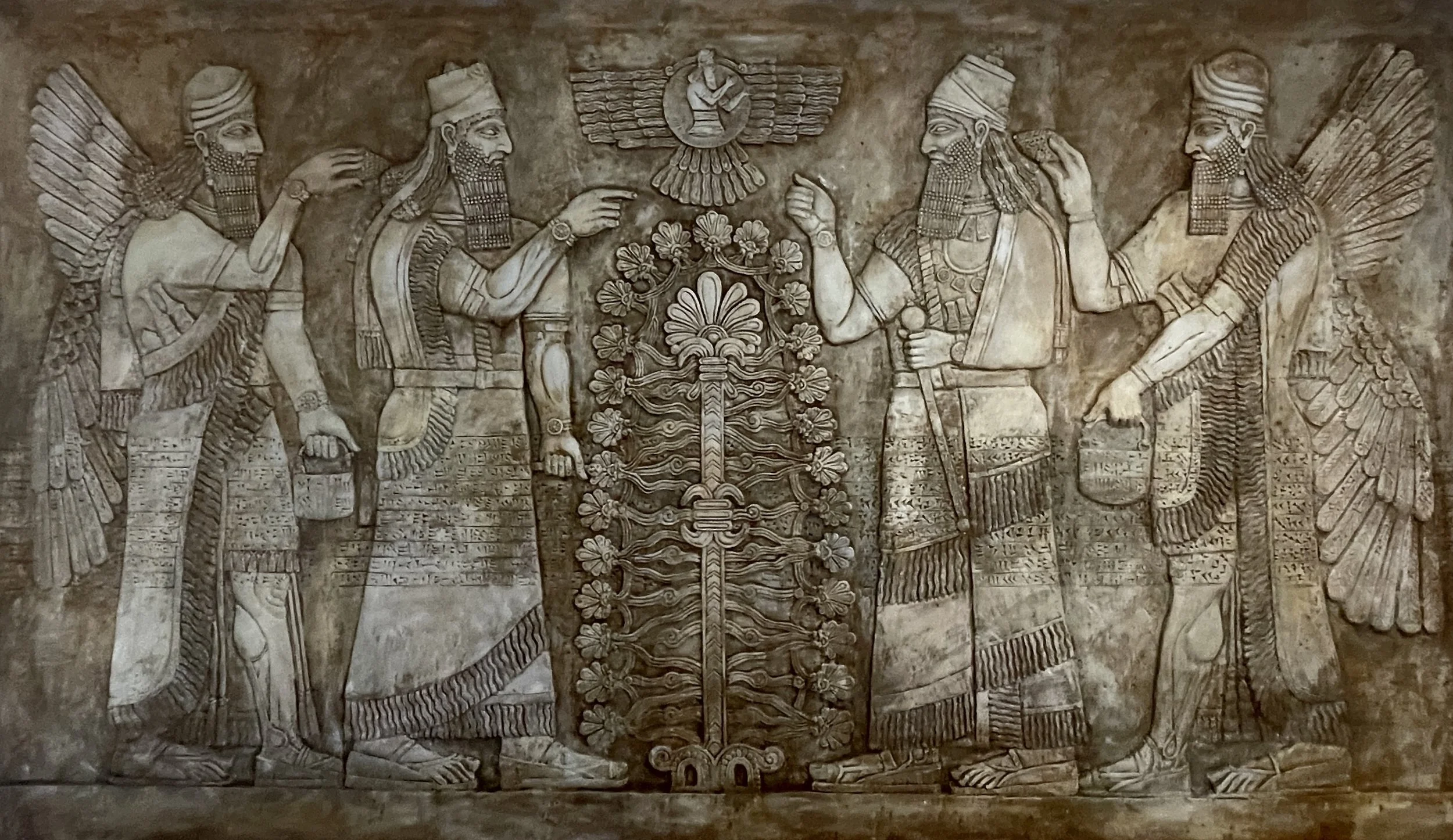
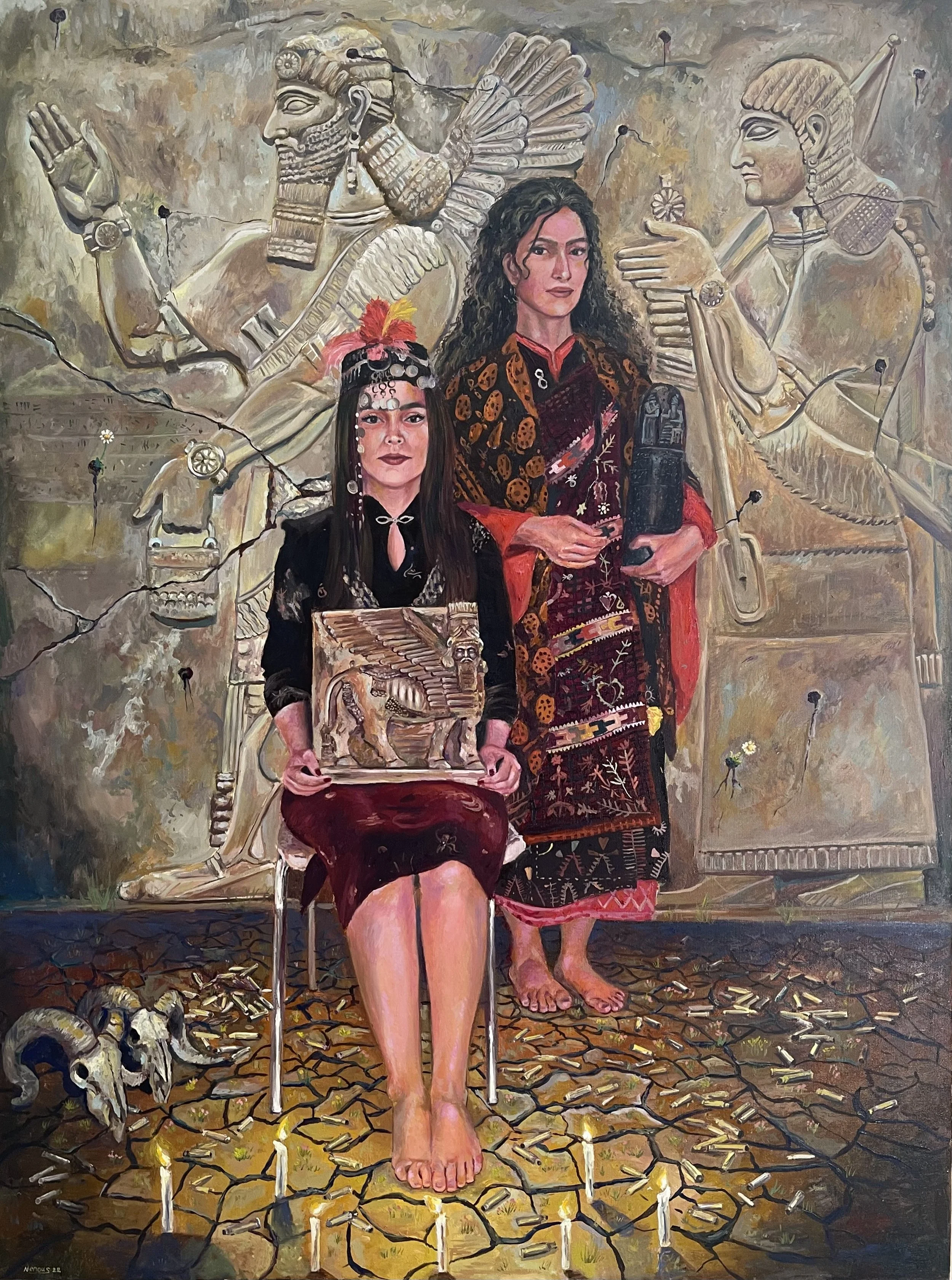
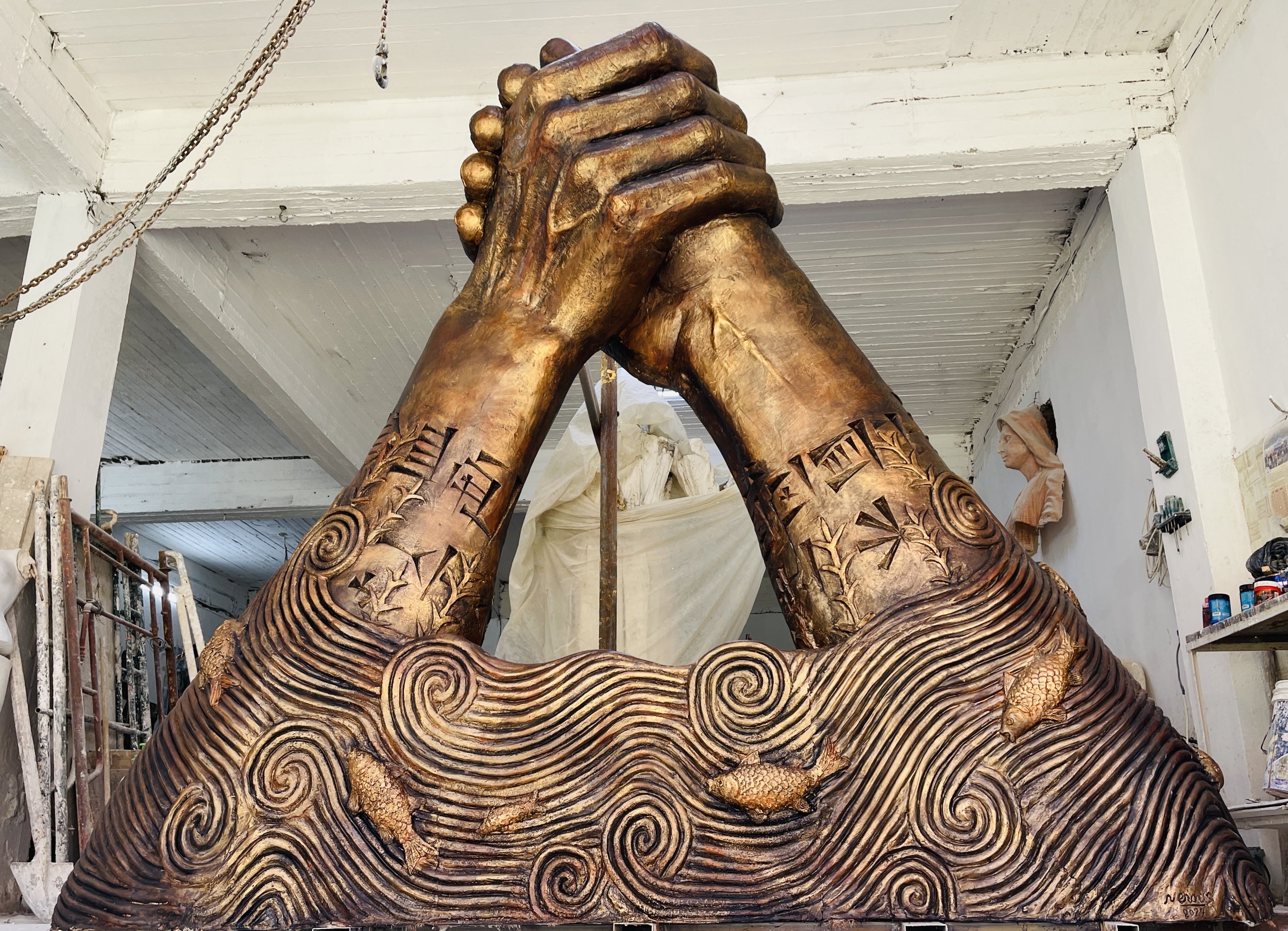
Among them is Nenous Thabet, a young artist whose passion for creativity became a driving force for cultural preservation and restoration.
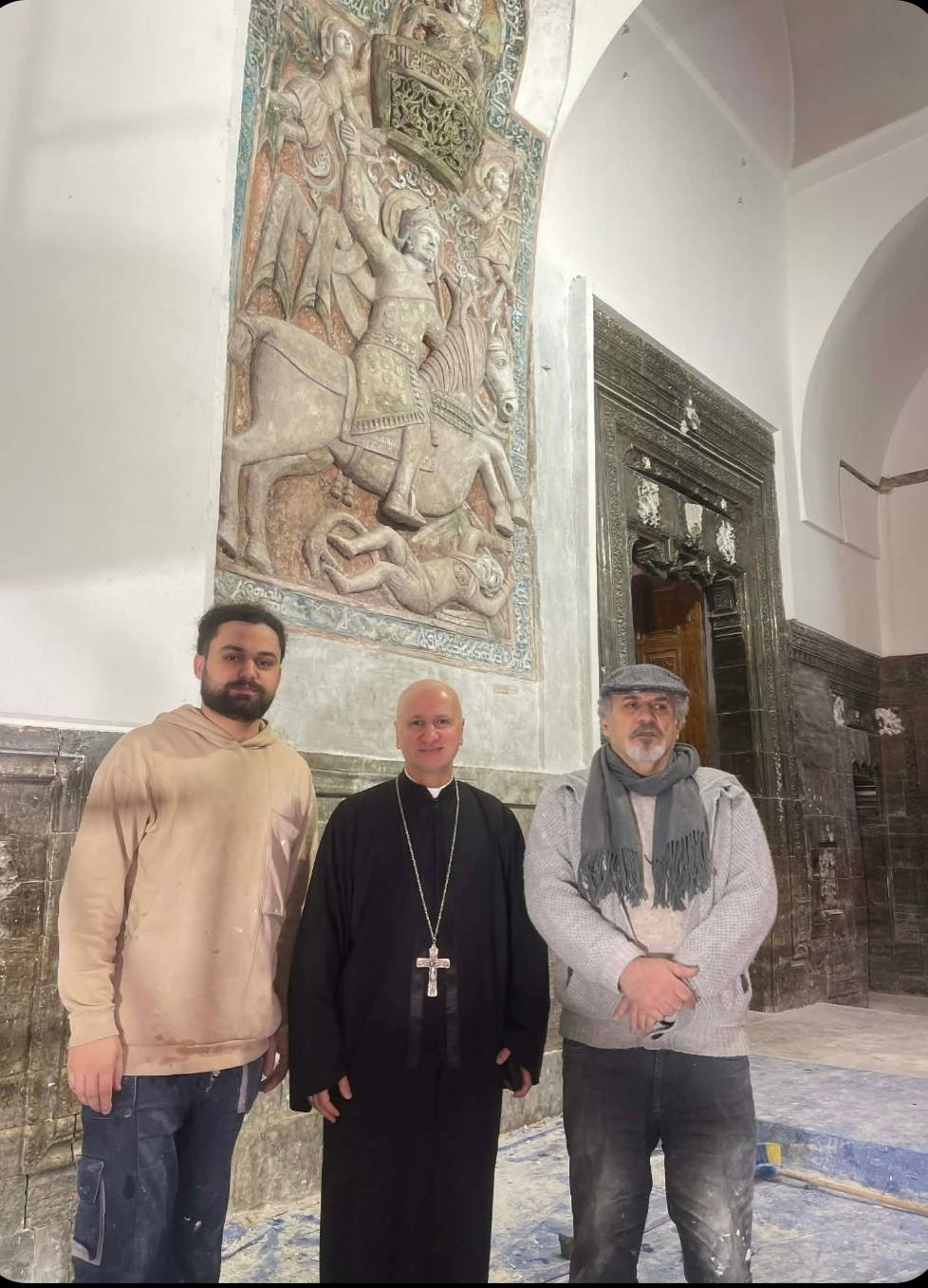
Through the efforts of the Mesopotamia Organization and under the supervision of Father Mazen Mattoka, Superior of the Monastery of St Behnam and St Sarah, Thabet was appointed Project Manager for elements of the restoration works.
Working alongside his father, Thabet Mikhail, a respected artist and craftsman in the region, the pair painstakingly recreated and restored artistic features that had been deliberately vandalised and chiselled away by ISIS militants.
The restoration works were approached with great care and the murals were meticulously reconstructed to reflect their original appearance, with colours informed by surviving pigment traces that remained on the ancient surfaces.
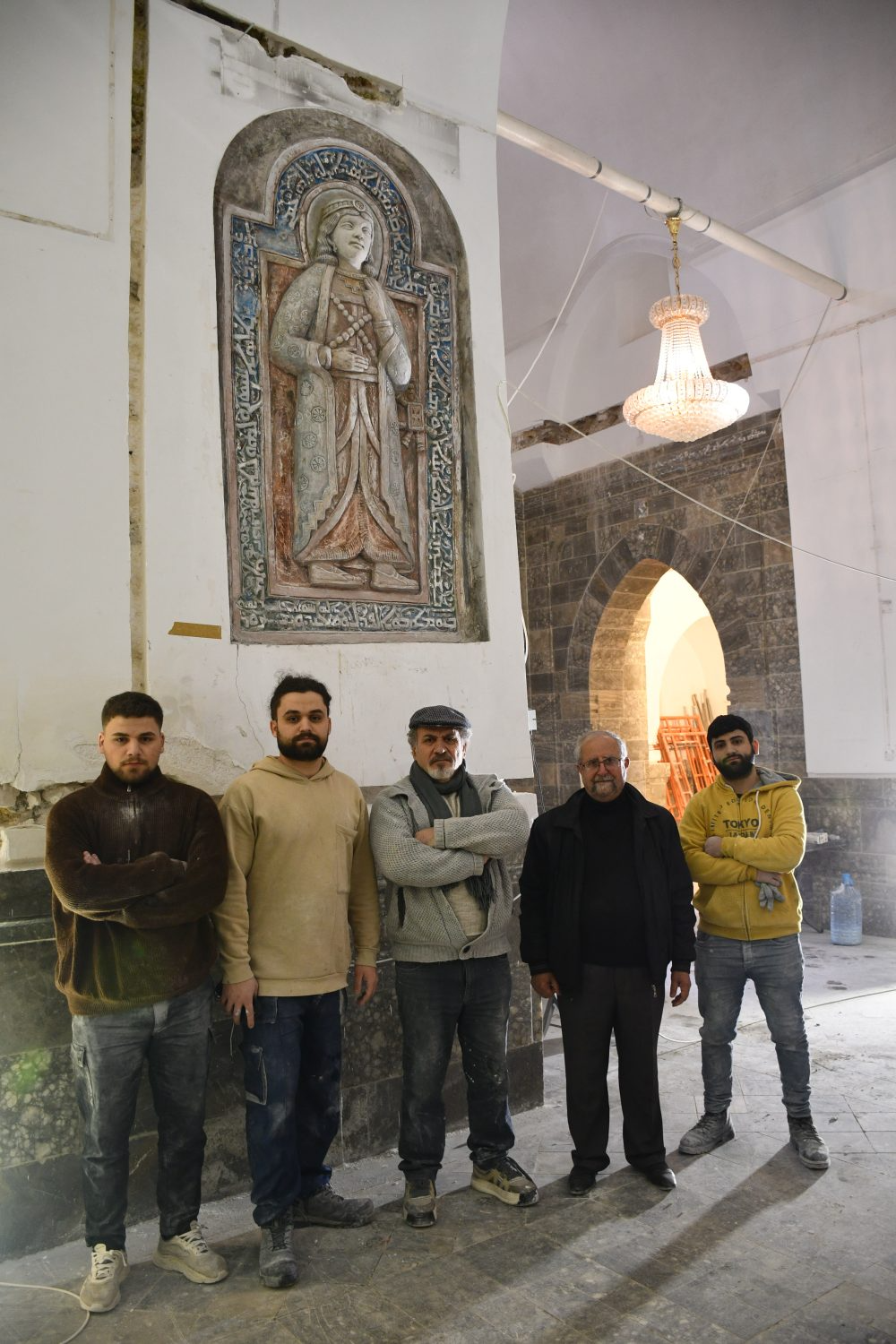
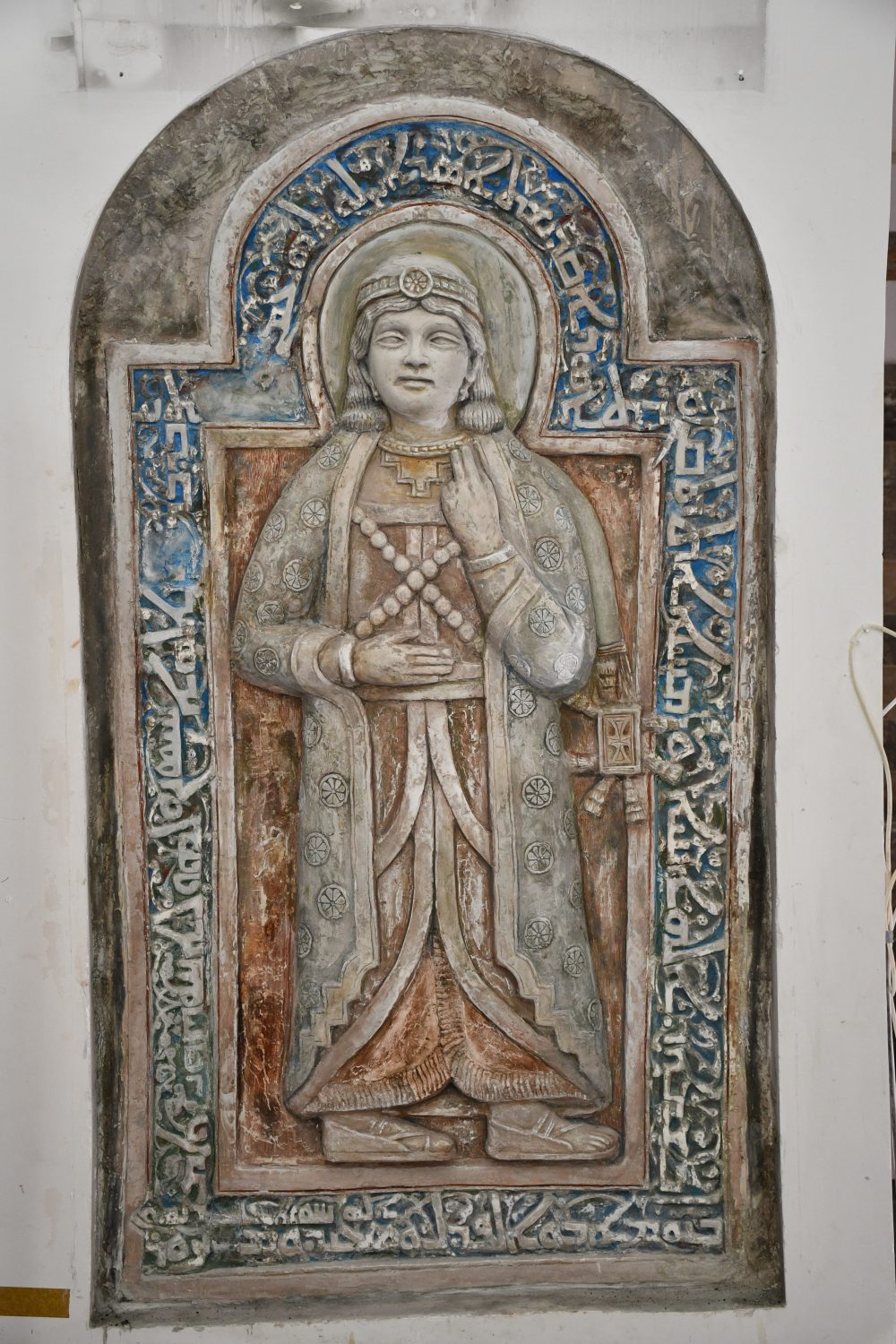
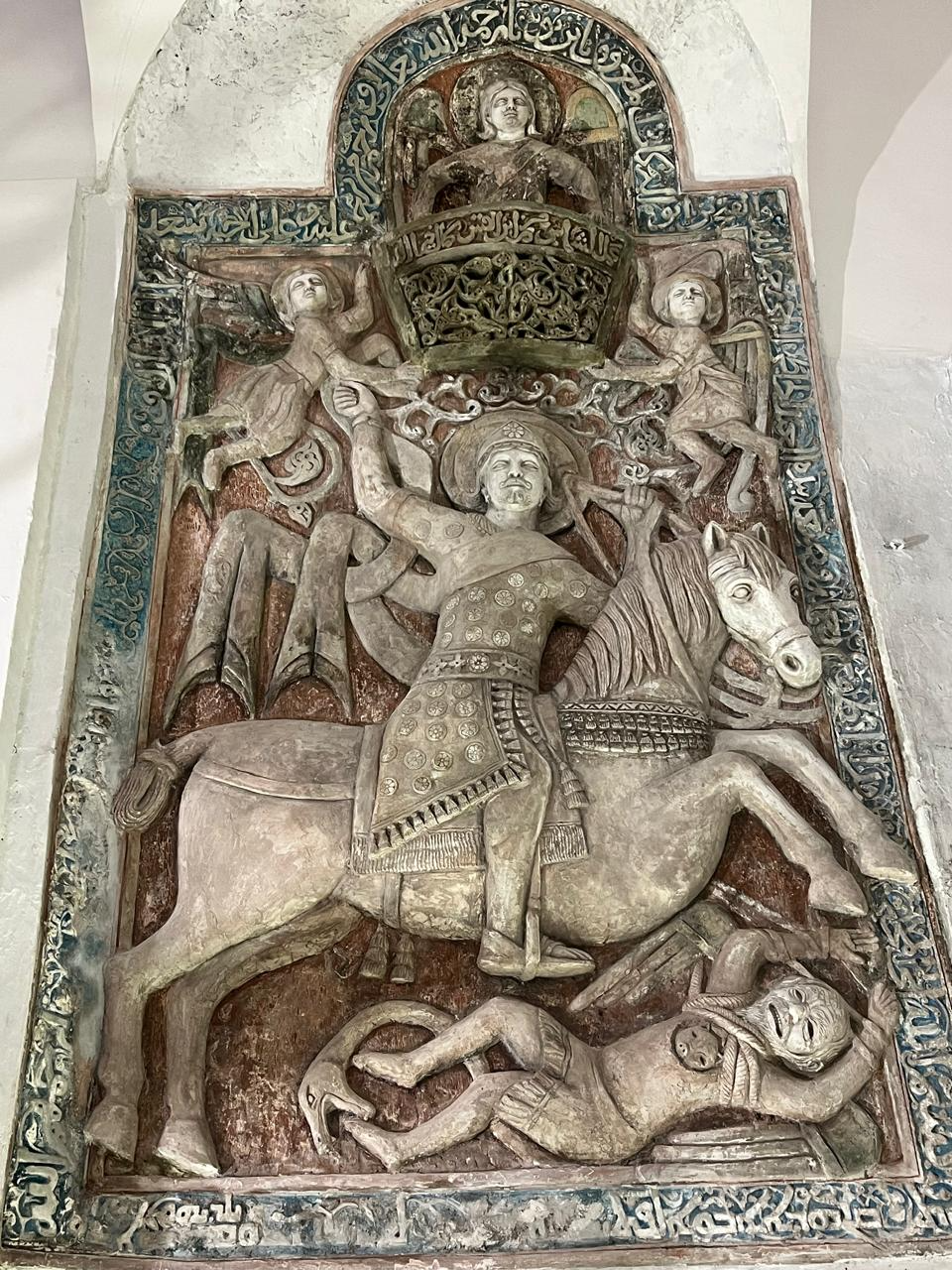
At the same time, the artistic style thoughtfully blended medieval Christian traditions with motifs inspired by ancient Assyrian symbolism, creating a visual bridge between the many layers of Nineveh's heritage.
In doing so, the restoration became more than the repair of damaged walls; it was an affirmation of continuity, identity, and the enduring spirit of a people determined to preserve their story for future generations.
In collaboration with local specialists and international partners from Iraq and France, the restoration team worked to revive sections of the monastery that many feared had been lost forever.
Today, the restoration of the Monastery of St Behnam and St Sarah stands as a powerful testament to the resilience of the Assyrian people.
It is a reminder that while extremists may destroy stone and mortar, they cannot erase the history, faith, and identity of a people determined to preserve their heritage.
For young Assyrians such as Nenous Thabet, the restoration of the monastery is about more than rebuilding a historic site.
It is about reclaiming a legacy, strengthening a community, and ensuring that the story of the Nineveh Plains continues to be told for generations to come.